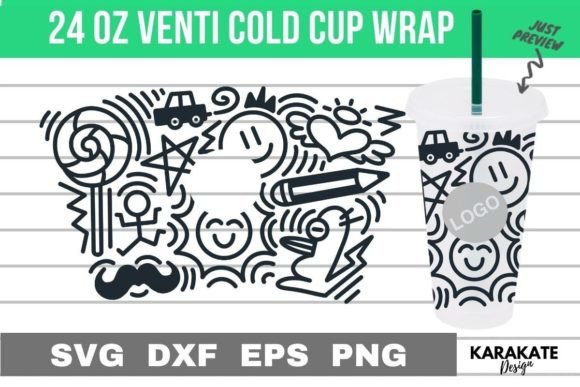
Boy Doodle Venti Cup Wrap
A Quick First Impression
The Boy Doodle Venti Cup Wrap immediately feels like a casual, playful design. It’s the kind of artwork that suggests a quick sketch or doodle—something that feels personal and slightly whimsical. The overall mood is light and friendly, which makes it a great fit for younger audiences or those looking for a fun, approachable look in their embroidery projects.
Design Layout and Detail Level
The layout is simple yet effective, with a central figure of a boy surrounded by subtle details like small hats, accessories, and a cup. The design doesn’t feel overly complicated, which is a big plus for both beginners and experienced embroiderers. There’s a nice balance between simplicity and character, making it versatile enough to be used in various contexts without overwhelming the viewer.
The detail level is just right—enough to add character without becoming too intricate. The boy’s face is clearly defined, but not overly detailed, allowing for flexibility in stitch density. This makes it suitable for a range of fabric types and hoop sizes. However, the corners and edges are slightly sharp, so care should be taken when using it on curved surfaces like caps or aprons.
Real-World Use Cases
This design works well in several real-world scenarios. For instance, I recently had a client who wanted to create custom embroidered tote bags for a local boutique. The Boy Doodle Venti Cup Wrap fit perfectly as a playful addition to a collection of everyday items. It also has potential for baby apparel, especially in designs like onesies or bibs, where a light-hearted theme is ideal.
It could also be a great choice for holiday gifts, such as embroidered patches or tea towels. The design’s casual tone makes it suitable for personalized gifts, adding a touch of charm to handmade products. Additionally, it would work well as a digital embroidery file for Etsy sellers or small shop owners looking to expand their product lines with something fresh and appealing.
Considerations for Embroidery Projects
While the Boy Doodle Venti Cup Wrap is versatile, there are some factors to consider before using it in a real project. For example, it may not be ideal for small hoop sizes due to its slightly larger footprint. On textured fabrics, the design might appear less crisp, so using a proper stabilizer is essential.
Dark fabrics can also pose a challenge, as the design relies on contrast to stand out. Testing the design on scrap fabric first is always a good idea. Similarly, if you’re planning to use it on stretchy or thin fabrics, be prepared to adjust stitch density or add extra stabilizing layers to ensure the embroidery holds up over time.
Visual Appeal and Stitching Clarity
The visual appeal of this design is strong, especially when viewed on light-colored backgrounds. The transparent background allows for easy customization, which is a major plus for designers looking to adapt the design for different projects. However, when working with dark fabrics, it’s important to test thread colors carefully to maintain clarity and visibility.
Stitch density plays a crucial role in how the design looks. A higher density will make the image more detailed, while a lower density can give it a softer, more artistic feel. Depending on the project, you might need to tweak the stitch settings to achieve the desired effect. Always check your mockups in black and white to ensure the design remains legible and visually appealing across different lighting conditions.
Product Value and Customer Trust
From a business perspective, the Boy Doodle Venti Cup Wrap offers good value, especially for small craft businesses or Etsy sellers. Its simplicity and versatility make it a reliable asset for creating a variety of products without requiring extensive customization. However, it’s important to maintain brand consistency when using it across multiple items, as the design’s casual nature can sometimes feel generic.
Customer trust is also influenced by the quality of the files provided. The inclusion of SVG, DXF, EPS, and PNG formats ensures compatibility with most embroidery machines and design software. This is a significant advantage for designers who rely on digital assets for their work. Still, it’s always a good idea to confirm licensing terms before selling finished products or digital files.
Practical Design Notes
As an embroidery designer, I recommend testing the design on scrap fabric first to assess how it looks and behaves on different materials. Check thread color contrast, review stitch density, and confirm hoop size before proceeding with a full project. Inspect small details like the boy’s features or the cup’s shape to ensure they remain clear and intact after stitching.
When using the design on curved surfaces like caps or hats, be mindful of the corners and edges, as they may require additional stabilization. Also, consider how the design will hold up through frequent washing, especially if it’s intended for children’s items or kitchen towels. Proper stabilizer use is key to maintaining the integrity of the embroidery over time.
Finally, always verify whether the design is suitable for both personal and commercial use. If you plan to sell finished products or digital files, ensure that you have the appropriate licensing rights to avoid any legal issues.